
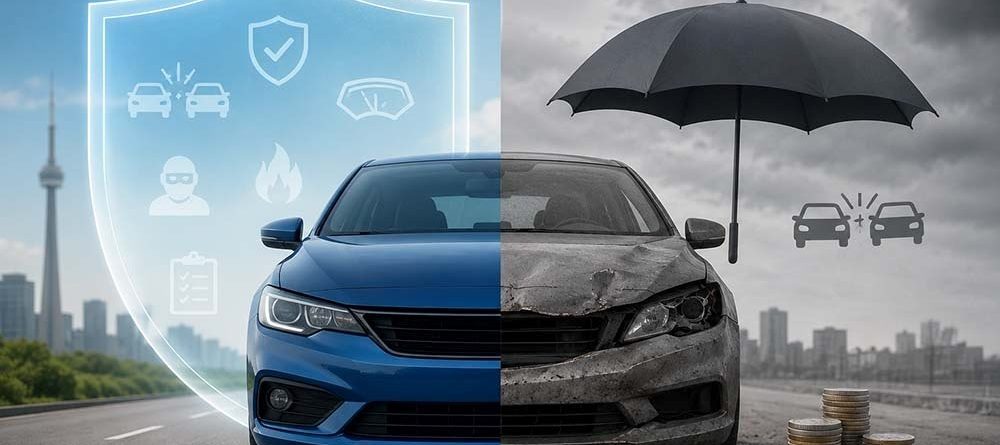
Choosing the right auto insurance policy is one of the most important financial decisions Ontario drivers make. While every vehicle owner must carry mandatory insurance, many people struggle to determine whether they need full coverage or if liability-only protection is sufficient. Understanding the full coverage vs liability auto insurance Ontario 2026 comparison can help you balance protection, risk, and affordability while making a decision that fits your vehicle and budget.
As vehicle values, repair costs, and insurance premiums continue to evolve in 2026, reviewing your coverage choices has become more important than ever.
Understanding Liability-Only Auto Insurance
Liability insurance forms the foundation of every Ontario auto insurance policy. It is required by law and helps protect drivers financially if they cause injury to another person or damage someone else’s property while operating a vehicle.
In the full coverage vs liability auto insurance Ontario 2026 discussion, liability-only coverage generally refers to carrying only the mandatory protections required under Ontario insurance regulations without adding optional physical damage coverage for your own vehicle.
While liability insurance can protect you from significant legal and financial exposure, it typically does not pay for repairs to your own vehicle following many types of accidents.
What Is Full Coverage Auto Insurance?
The term “full coverage” is not an official insurance product but rather a commonly used description for a policy that combines mandatory coverage with optional protections such as collision and comprehensive insurance.
When comparing comprehensive vs liability auto insurance Ontario options, full coverage generally includes:
- Mandatory liability coverage
- Accident benefits
- Uninsured automobile protection
- Direct compensation for property damage, where applicable
- Collision coverage
- Comprehensive coverage
The addition of collision and comprehensive auto insurance Ontario 2026 protections provides coverage for damage to your own vehicle under a wider range of circumstances.
What Collision Coverage Protects
Collision insurance helps pay for repairs to your vehicle if it is damaged in a collision with another vehicle or object, regardless of fault considerations outlined in the policy.
For drivers evaluating collision and comprehensive auto insurance Ontario 2026 options, collision coverage can be especially valuable for newer vehicles with significant market value. Repair costs for modern vehicles continue to rise due to advanced safety systems, sensors, and electronic components.
Without collision coverage, you may need to pay repair or replacement costs out of pocket if your vehicle is damaged in a covered collision event.
What Comprehensive Coverage Protects
Many drivers researching comprehensive vs liability car insurance Ontario policies want to understand exactly what comprehensive coverage includes.
Comprehensive insurance generally protects against non-collision losses, such as:
- Theft
- Vandalism
- Fire
- Falling objects
- Windstorms
- Hail damage
- Certain weather-related events
- Animal collisions in some circumstances
When considering whether I need full coverage car insurance in Ontario, comprehensive coverage may be particularly valuable for vehicles exposed to theft risks or severe weather conditions.
Is Full Coverage Worth It for Older Vehicles?
One of the most common questions in the full coverage vs liability auto insurance Ontario 2026 debate involves older vehicles.
The answer depends largely on the vehicle’s current value and your financial situation. If the cost of collision and comprehensive coverage approaches a significant percentage of the vehicle’s replacement value, maintaining full coverage may provide less financial benefit.
For example, if a vehicle has a relatively low market value, paying high premiums for extensive physical damage coverage may not be economically efficient. However, if replacing the vehicle would create financial hardship, maintaining broader protection may still be worthwhile.
Factors to Consider Before Dropping Coverage
Drivers often ask whether I need full coverage car insurance in Ontario once their vehicle ages or loan obligations end.
Before removing collision and comprehensive coverage, consider:
- Current market value of the vehicle
- Replacement cost
- Savings available for repairs or replacement
- Local theft rates
- Driving habits
- Vehicle financing requirements
Lenders commonly require full coverage while a vehicle loan remains outstanding. Once the loan is paid off, drivers typically have greater flexibility when selecting coverage levels.
A thoughtful review of comprehensive vs liability car insurance Ontario options can help determine whether the premium savings justify the additional financial risk.
Finding the Right Balance
There is no universal answer to whether full coverage or liability-only insurance is best. Every driver’s situation is unique.
Newer vehicles often benefit from collision and comprehensive auto insurance Ontario 2026 protection because repair and replacement costs can be substantial. Older vehicles with lower market values may justify a more limited approach if the potential claim payout is relatively small.
The goal of the full coverage vs liability auto insurance Ontario 2026 decision is to match your coverage level with your vehicle’s value, your financial resources, and your personal risk tolerance.
FAQ’s
Q1. What is the difference between full coverage and liability-only car insurance?
A: Liability-only insurance primarily covers injuries and property damage you cause to others, while full coverage generally includes liability protection plus collision and comprehensive coverage for damage to your own vehicle.
Q2. Is full coverage auto insurance worth it for an older car in Ontario?
A: It depends on the vehicle’s value, replacement cost, premium expense, and your financial ability to absorb repair or replacement costs.
Q3. What does comprehensive auto insurance cover in Ontario?
A: Comprehensive coverage typically protects against theft, vandalism, fire, falling objects, weather-related damage, and other non-collision losses covered by the policy.
Q4. When should I drop full coverage on my vehicle in Ontario?
A: Many drivers reassess coverage when a vehicle’s market value declines significantly, loan obligations end, or the cost of coverage becomes disproportionate to the potential benefit. Consider your financial situation and risk tolerance before making changes.
Leave a Reply